Visual field guide · October 12, 2026
What useful drone inspection imagery looks like
A strong autonomous mission does more than produce a sharp picture. It preserves route context, makes details comparable, identifies the asset under review, and gives a qualified person enough evidence to decide what happens next.
The image is part of a decision trail
A DJI Dock 3 program can revisit approved routes with a compatible Matrice 4D Series aircraft, but repeat flight alone does not make the output useful. The mission still needs named assets, intentional viewpoints, suitable capture conditions and a review process.
Use these examples as a planning reference, not as a performance test. Some are supplied mission images, some are independently sourced aerial photographs and one is an explicitly labelled workflow illustration. None should be read as proof that every site, payload or operating condition will produce the same result.
For system requirements, aircraft compatibility and deployment planning, start with the DJI Dock 3 buyer guide.
Eight views that make inspection easier to review
Open any image at full size. The captions focus on what the frame contributes to the workflow, not on decorative photography.
1. A comparable detail view
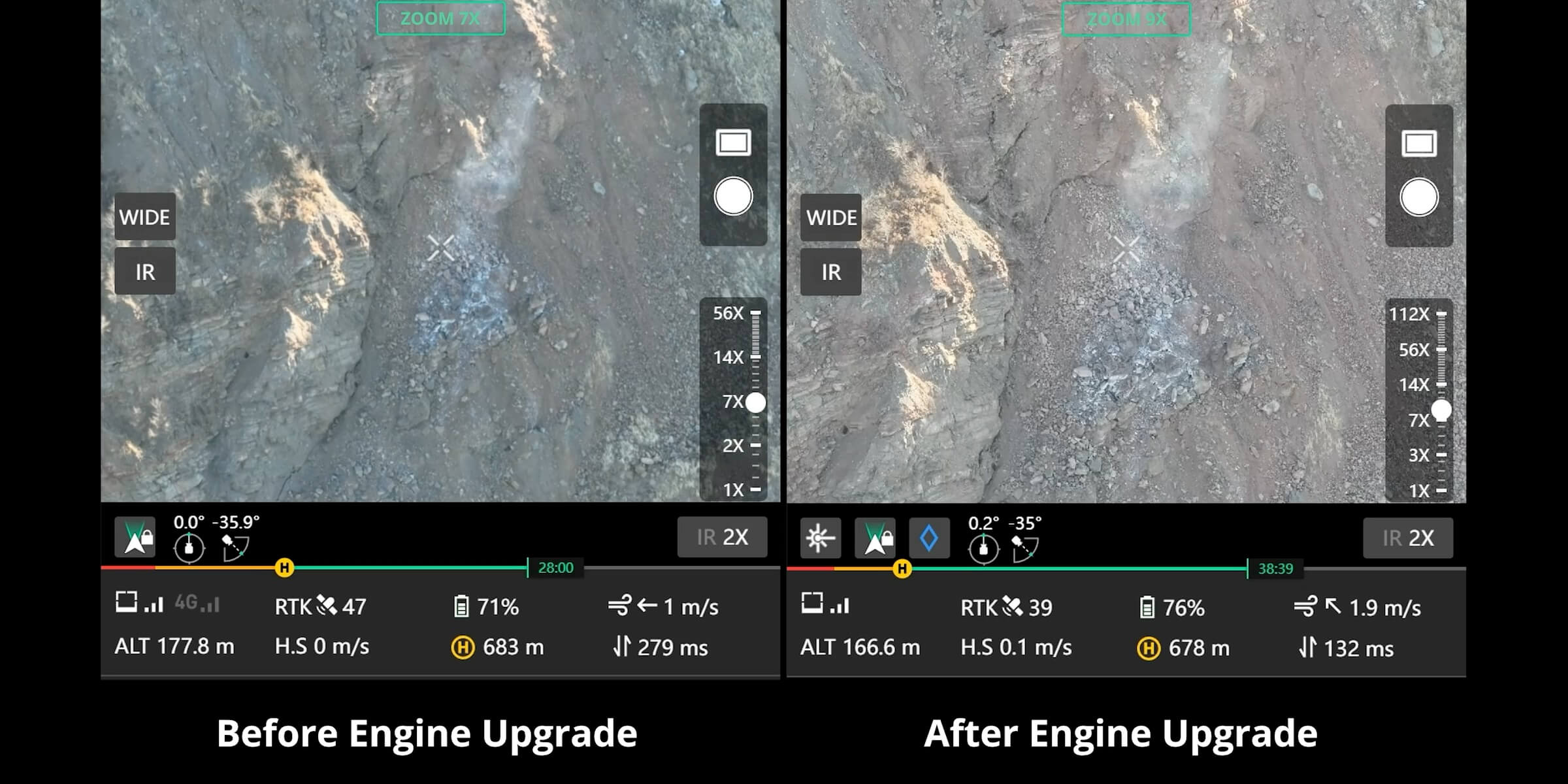
Close views become useful when the reviewer knows the target, viewpoint, zoom and capture conditions. A visible difference may justify follow-up, but it does not by itself prove that the asset changed.
Supplied before/after illustration. Capture settings differ, so this is not a controlled performance comparison.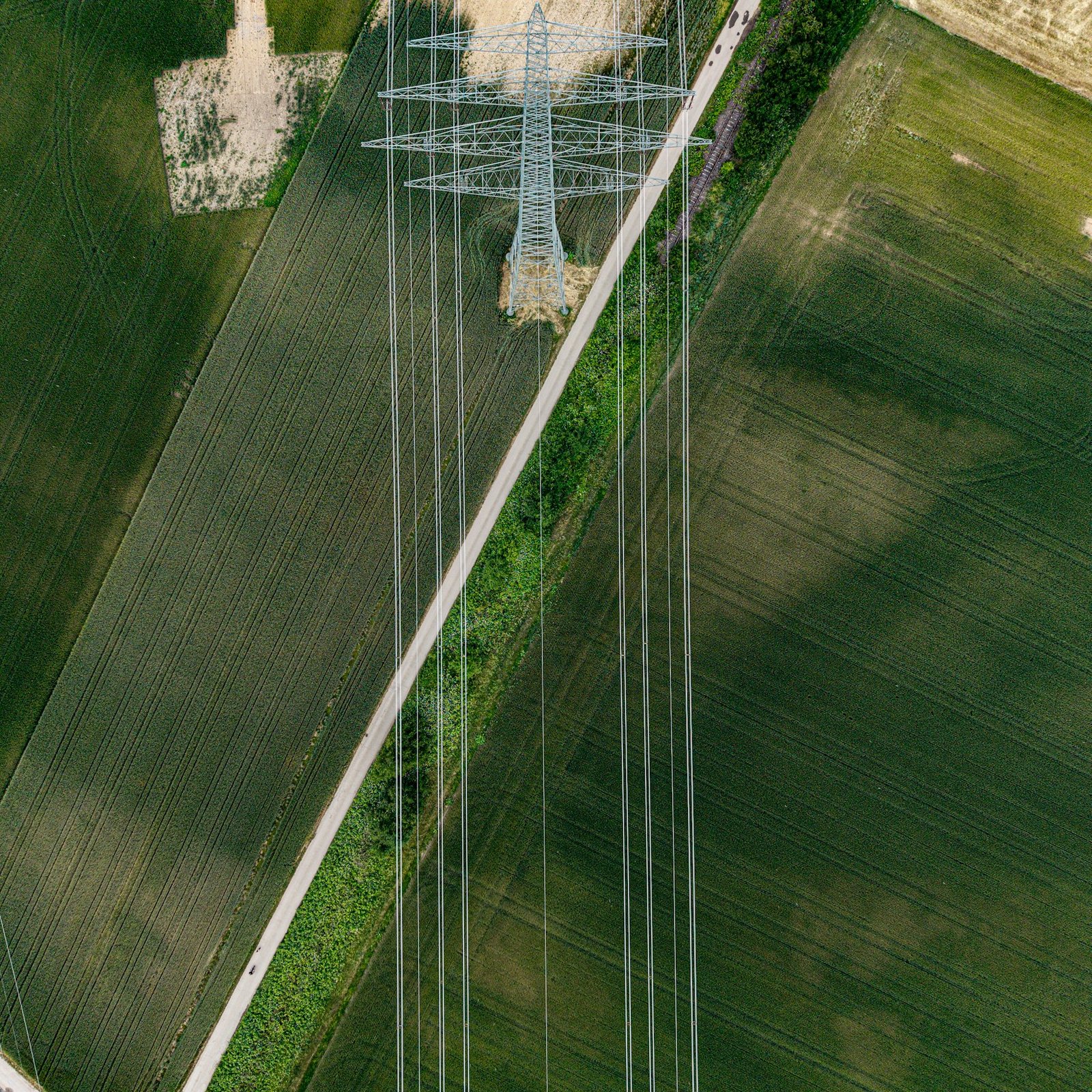
2. Corridor context
A wide corridor frame shows access roads, vegetation, crossings and the relationship between towers. It helps the reviewer locate a later detail image.
Independent illustrative photo: Bernd Dittrich / Unsplash. Not a customer deployment.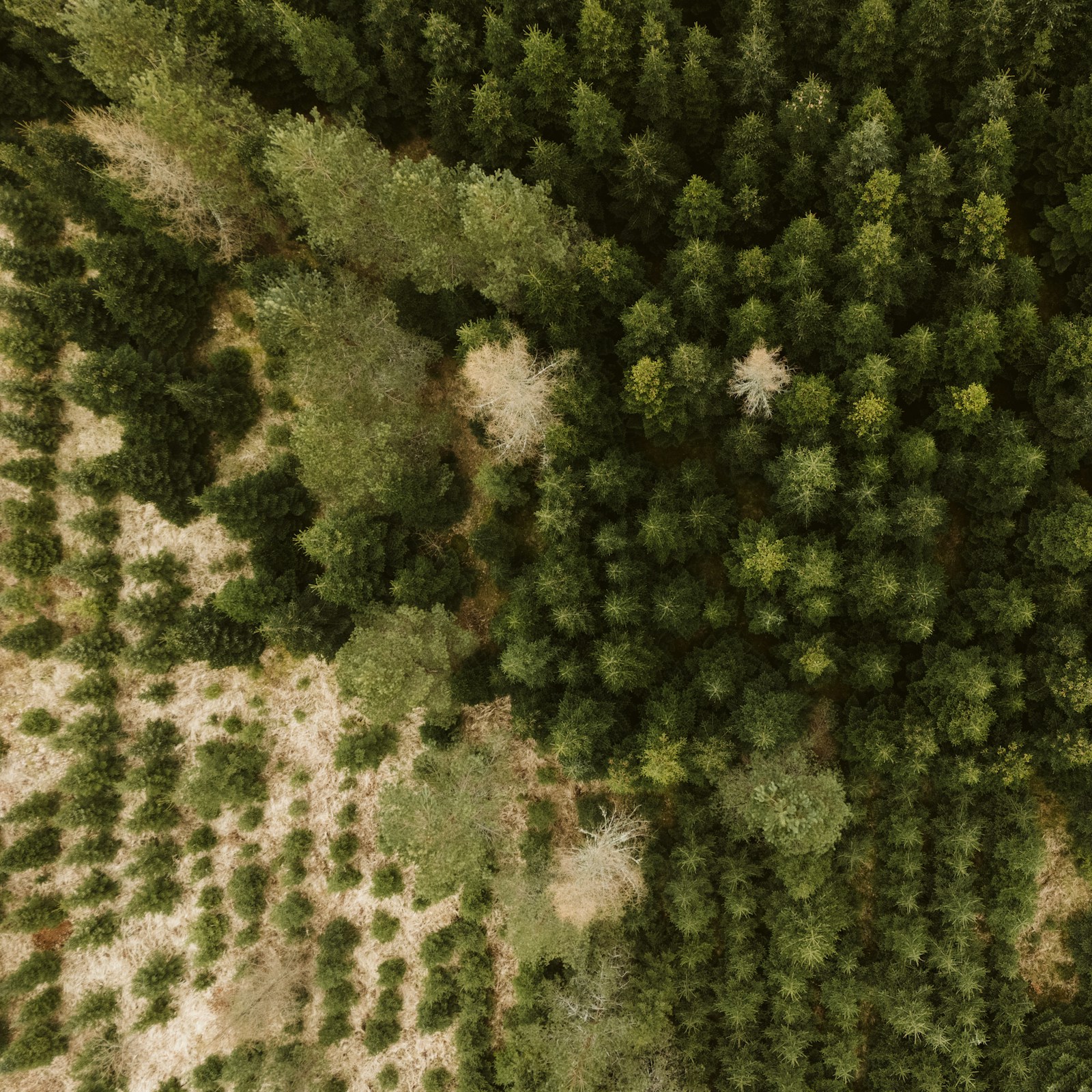
3. A landscape baseline
A repeated forest-edge view can support change review only when season, weather, route and observation time are recorded. The image should be paired with local fire and land-management judgment.
Independent illustrative photo: Aivars Vilks / Unsplash. Not a wildfire detection result.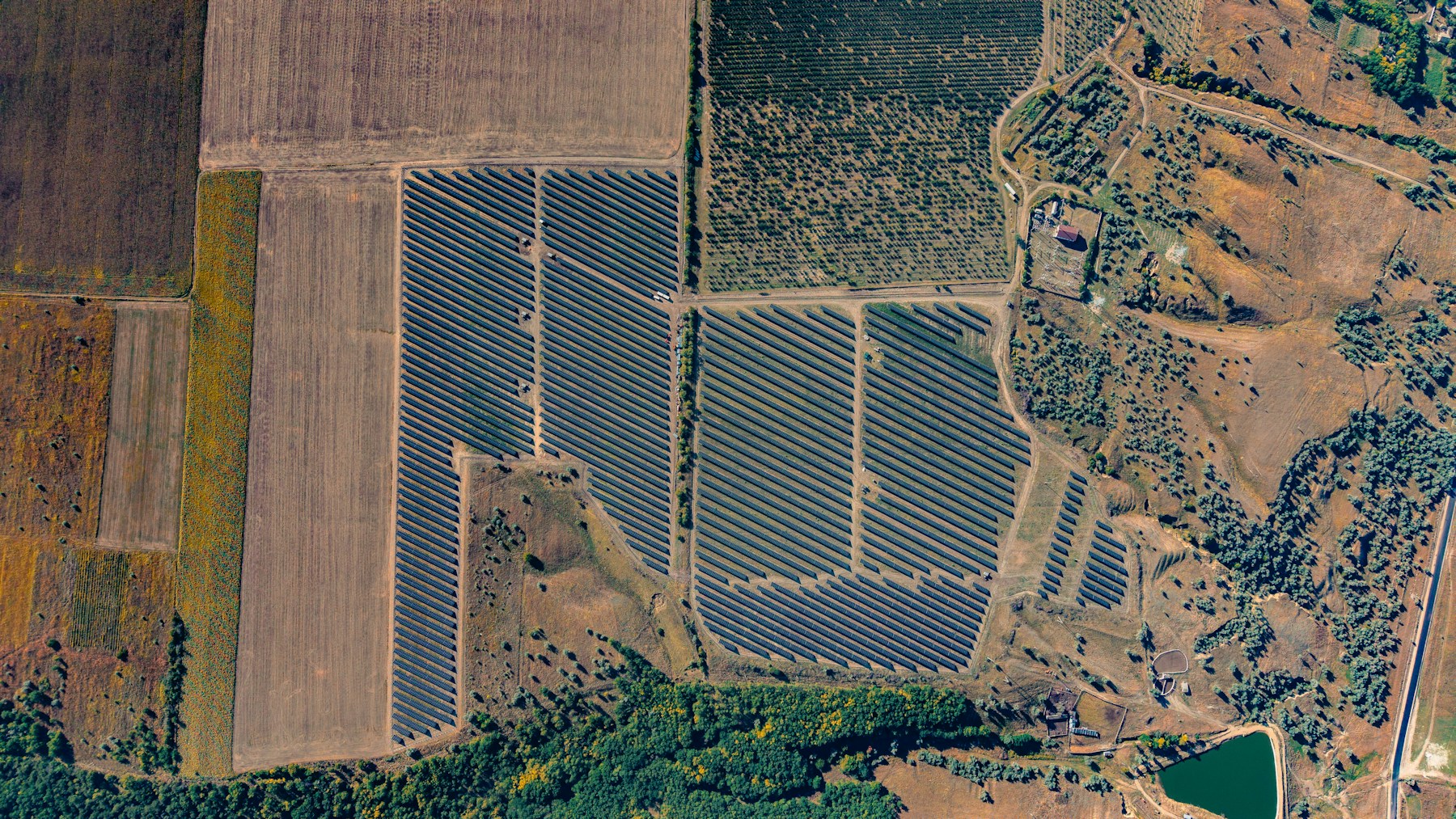
4. Array-level orientation
Before thermal or close visual review, a site-wide image helps divide the plant into named blocks, confirm route coverage and connect later findings to a physical row or array.
Independent illustrative photo: Vlad Burac / Unsplash. See the solar inspection planning guide.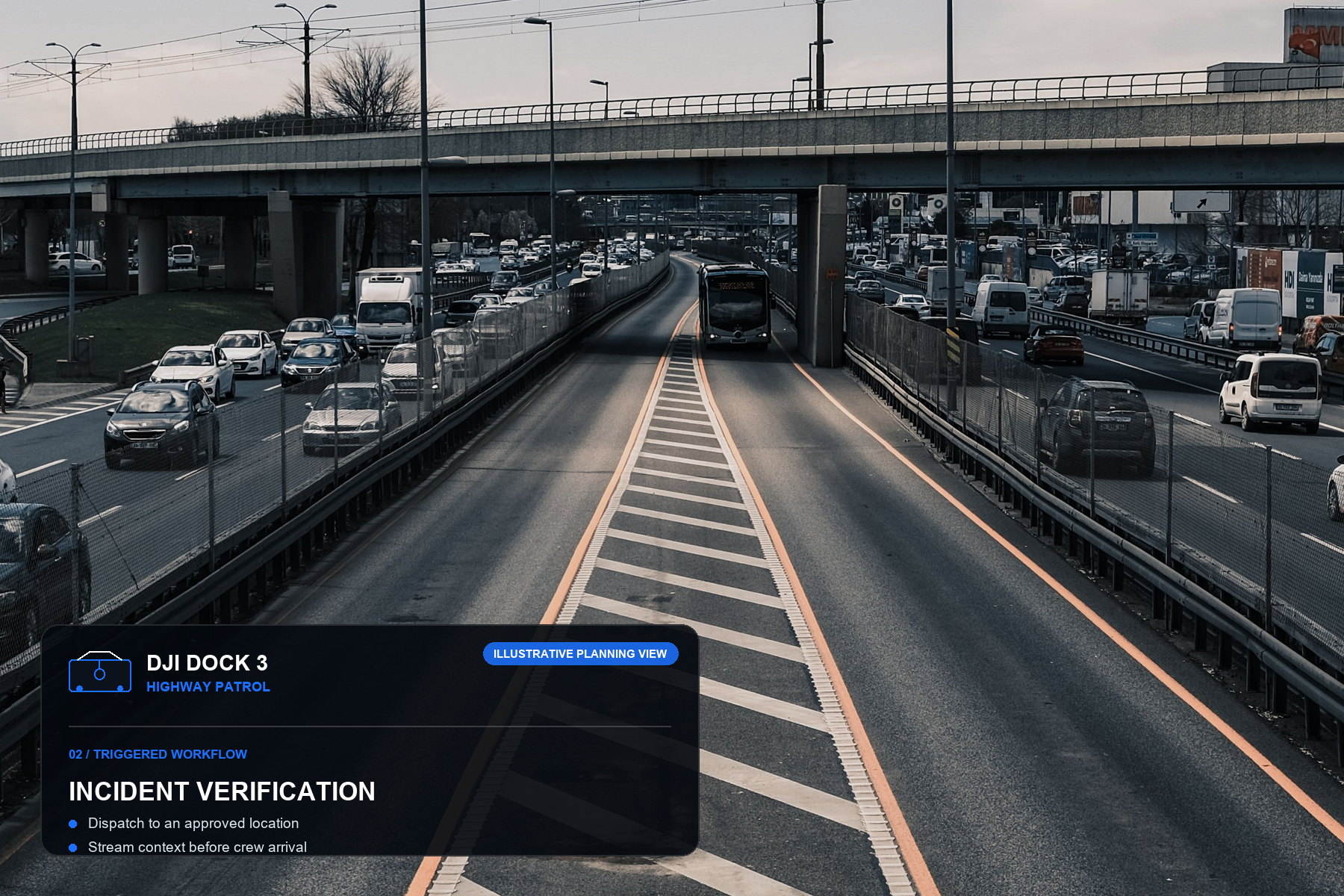
5. Event context before arrival
An alert-driven view should establish carriageway direction, access, nearby traffic and the suspected event. It supports human coordination; it does not make an enforcement or emergency decision.
Original planning overlay on a Pexels photo by Oğuz Kandemir. Explicitly illustrative.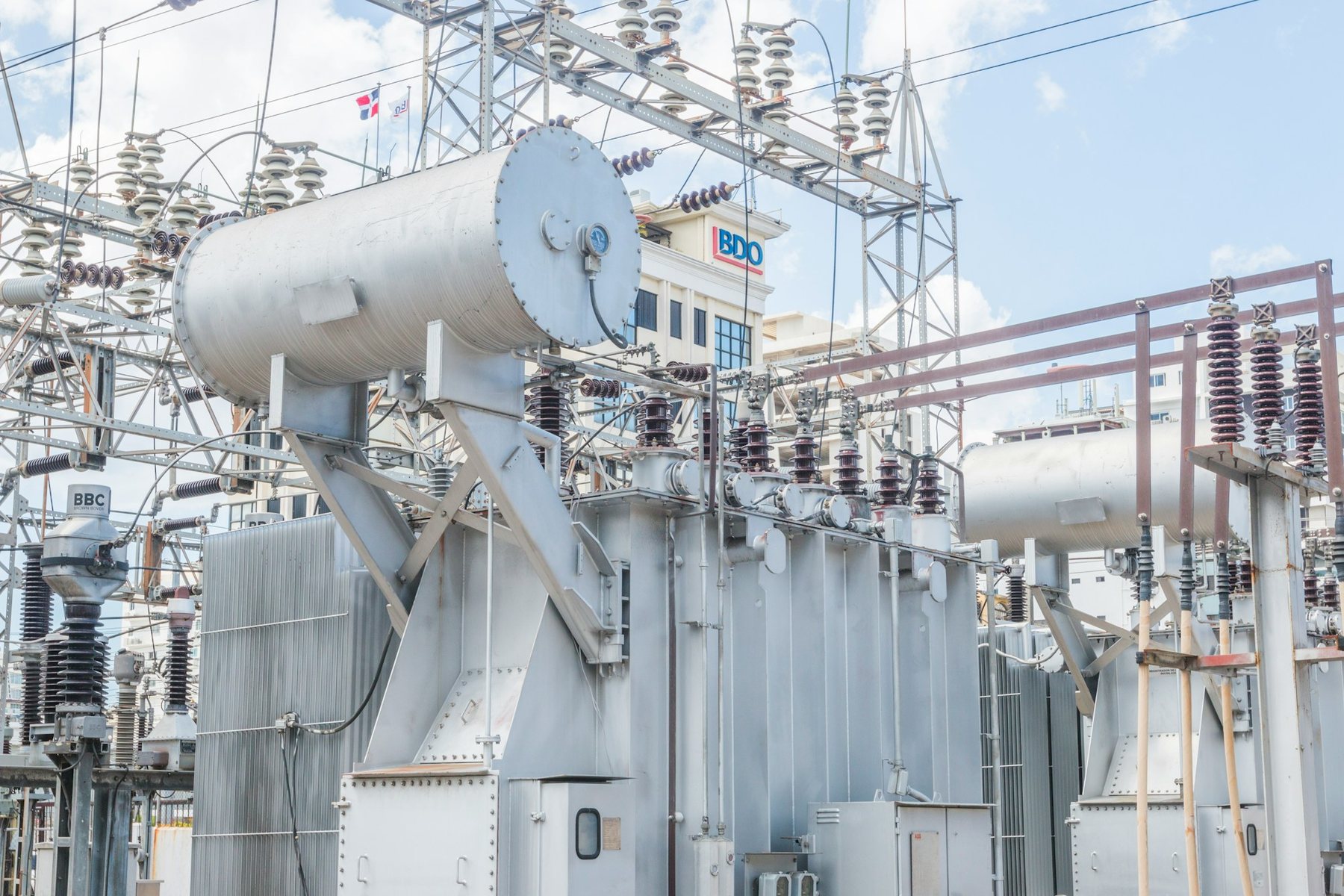
6. Asset identity in a dense site
Dense equipment makes naming and viewpoint discipline essential. A close image without a feeder, bay, transformer or other asset reference can be difficult to route to the right reviewer.
Independent illustrative photo: Aldward Castillo / Unsplash.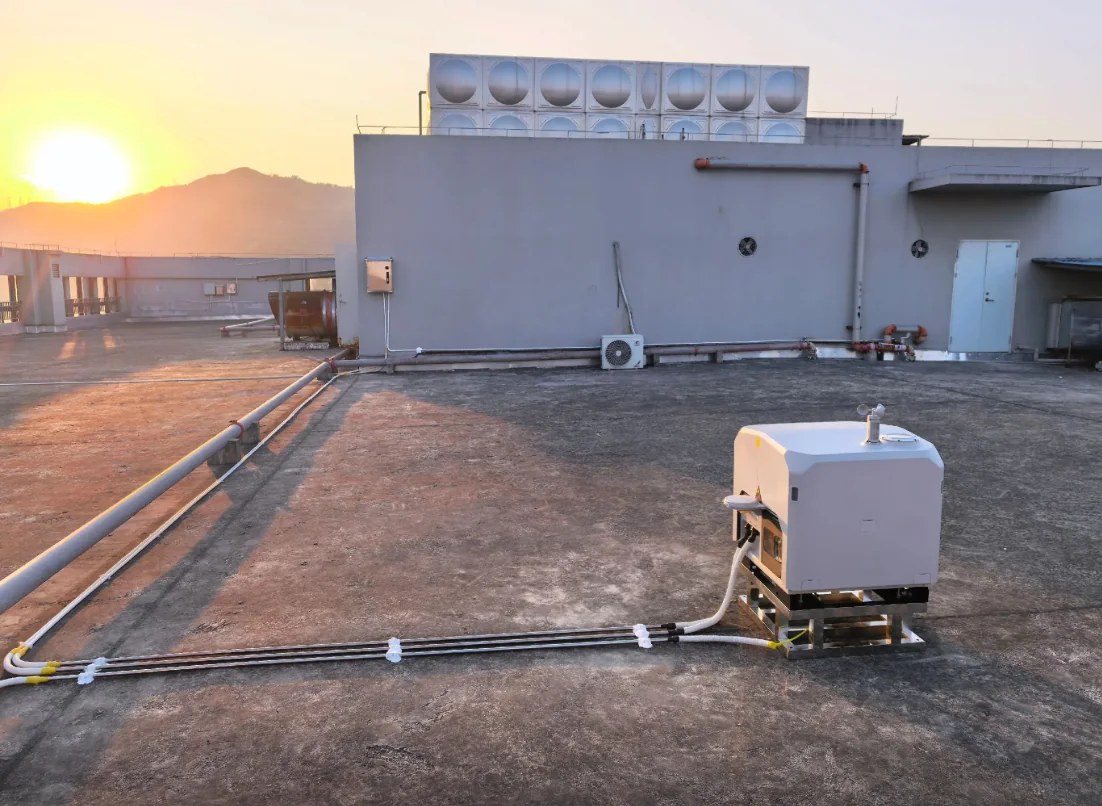
7. The dock location itself
The evidence chain begins before takeoff. Installation records should show clearance, support, cable routing, drainage, maintenance access and nearby obstacles so the operating team can review changes at the site.
Supplied installation reference. The exact site and installation scope were not independently verified.
8. The route and observation together
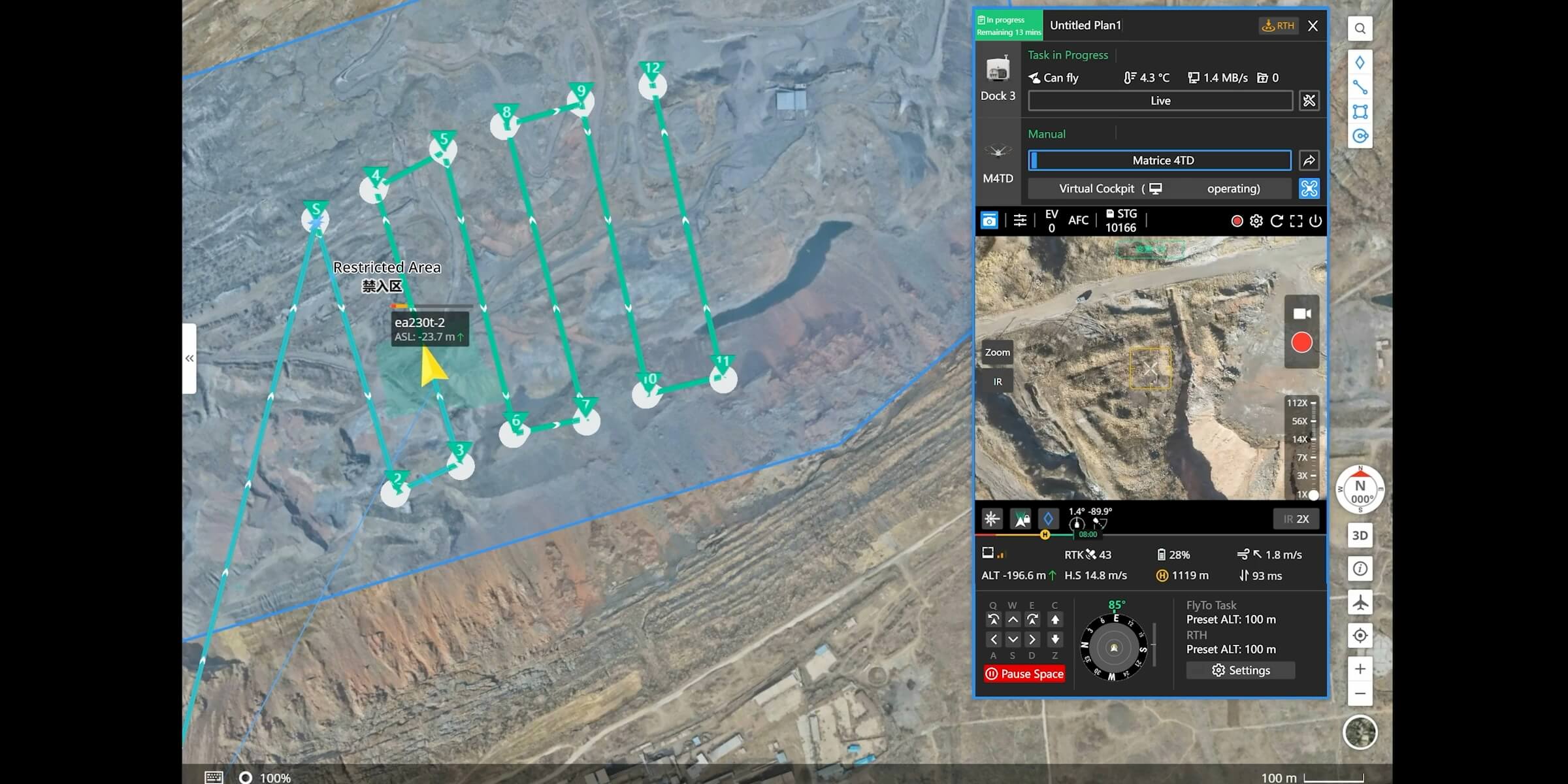
The strongest handoff connects each observation to a route, waypoint, time and target. That makes it possible to repeat the view, compare evidence and assign a qualified person to confirm or dismiss the finding.
Supplied planning reference; the site and capture were not independently verified. See the mining visual guide.Define the evidence before the flight
- 01Name the decisionState what the image should help a qualified reviewer confirm, compare or escalate.
- 02Fix the viewpointRecord the target, route, waypoint, framing and useful capture conditions for later comparison.
- 03Keep the contextPair detail imagery with a wider frame, asset identifier and location reference.
- 04Assign the reviewerDefine who assesses the evidence, where the record is stored and what triggers a field inspection.
Build the system around the evidence
Request a DJI Dock 3 inspection quotation
Share the destination country, target assets, required views, route frequency, site conditions, review workflow and delivery timeline. Aeronestdock will recommend the hardware and quotation scope.